



At AmeriTech Air Conditioning & Heating, we understand the desire of a do-it-yourself approach. However, we also understand that certain tasks should only be handled by experts or DIYers with significant expertise. Contact us today for a licensed, reliable air conditioning installation technician in Orlando.
7 Steps to Installing Different Kinds of Air Conditioners
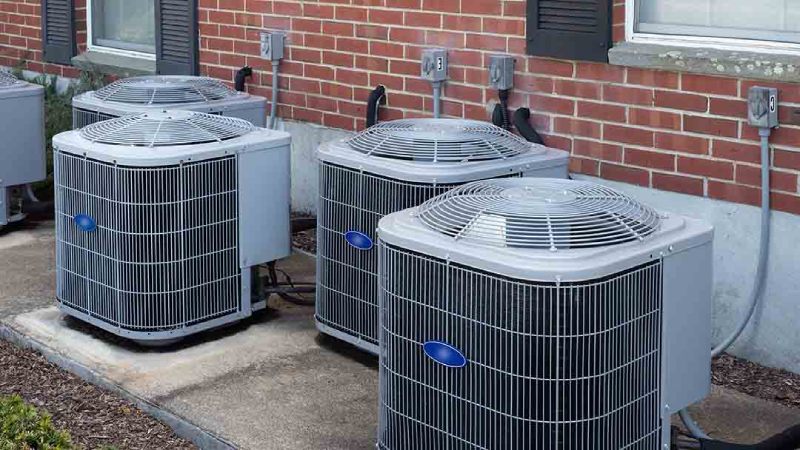
1. Choosing the Right Air Conditioner System
When choosing an air conditioner, there are several factors to consider: size, energy efficiency level, BTU rating, and cooling capacity. You should also consider if you want a portable or wall-mounted unit, as well as whether you need any additional features (i.e., dehumidifier).
2. Preparing the Location for Installation
3. Cutting Holes In the Wall
4. Ensuring Electrical & Ductwork Systems Are Properly Working
5. Installing the Unit
Depending on the type of unit you have, installation will vary. For window air conditioners, place the bracket that comes with the unit onto the window frame and use screws to secure it in place. Next, slide the AC into the bracket and make sure it’s level before closing the window over it. For wall-mounted units, follow the instructions that come with the mounting kit.
6. Connecting All Wires and Pipes
7. Switching On the Power Button
We’ve given you some great tips and tricks on installing any air conditioning equipment and we hope the information will help you confidently work on your own AC unit this summer. However, if you ever feel unsafe or unsure about any steps in the process, please contact a professional for help.
Yes, you can attempt DIY installation, but it depends on the type of unit. Window and portable AC units are more manageable for homeowners. Central air systems and wall-mounted units typically require professional installation due to electrical and ductwork complexity. If you feel unsure at any step, call a professional to avoid safety hazards.
- Choose the right AC unit (check BTU rating, cooling capacity, and energy efficiency for your room size)
- Prepare the installation location (ensure 2 feet clearance from walls and objects, place on exterior wall when possible)
- Cut holes for electrical wiring if needed (use a utility knife or hole saw)
- Verify electrical and ductwork compatibility with your home's systems
- Install the unit (for window units: mount bracket to frame, slide AC into bracket, secure with screws; for wall-mounted: follow manufacturer instructions)
- Connect all wires and pipes properly using wire connectors or electrical tape
- Turn on the power (switch off main power first for safety)
Professional installation is strongly recommended for central air systems and complex wall-mounted units due to electrical and ductwork requirements. For window and portable units, DIY installation is possible if you have basic mechanical knowledge. The article advises contacting a professional if you feel unsafe or unsure at any step of the process.
Most room air conditioners do need to be vented outside. Window units and standard portable ACs with exhaust hoses must vent hot air outdoors to function properly. Without external venting, the hot air recirculates back into the room, canceling out the cooling effect.
However, ventless (or hoseless) portable air conditioners are an exception. These units use evaporative cooling technology and don't require external venting because they don't expel hot air through hoses. Instead, they cool using a water reservoir and cooling pad. They work best in dry climates and can be placed anywhere with a power outlet.