



Duct and vent cleaning is an important part of keeping your home clean and free of dust, dirt, and other allergens. Many people do not realize that their ductwork can become filled with these particles over time, which can lead to poor indoor air quality and a variety of respiratory problems.
Why Is Duct Cleaning Necessary?
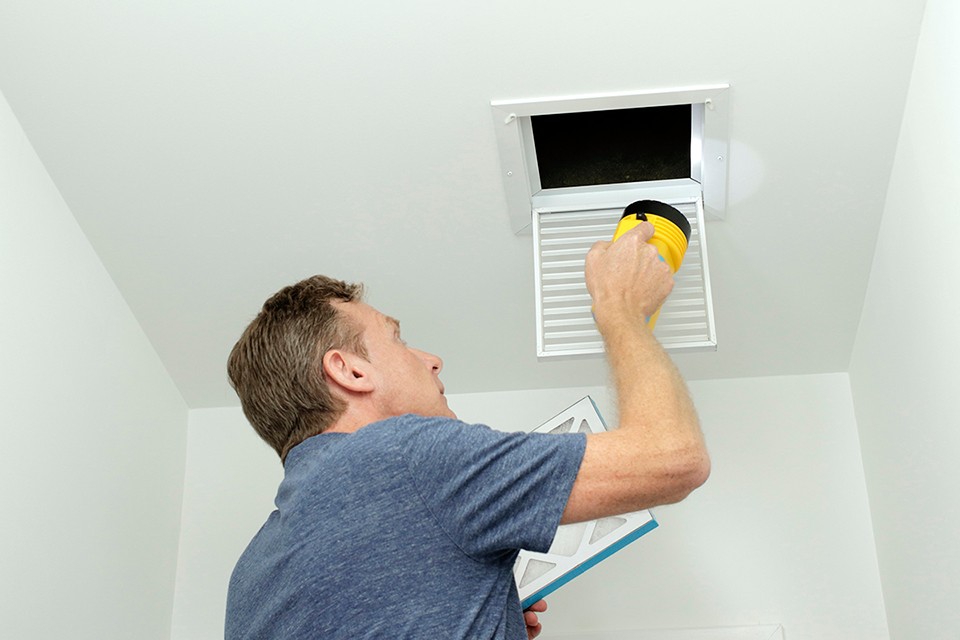
The main reason for AC duct cleaning, is to remove any excess dust that may have accumulated over time due to the regular use of your system. Dust can build up inside the ductwork over time and cause allergies, respiratory issues, and lower energy efficiency.
Also, if there’s too much dust in your ductwork, it will reduce airflow throughout your home, leading to overheating or undercooling issues during certain parts of the year when it’s hot or cold outside.
How Often Should Ducts Be Cleaned?
The Environmental Protection Agency (EPA) recommends professional duct and vent cleaning once every three to five years if your HVAC unit is less than ten years old. But if you have an older unit, you should consider cleaning more frequently since your ductwork may be contaminated with dust and debris from daily use.
What Would a Licensed HVAC Technician Do During the Service?
Equipment and Materials Used to Clean Ducted Air Conditioning Units
- Dry Vacuum Cleaners are typically used to remove dust and other particulate matter from vents and returns.
- Wet Vacuums use a combination of water and detergent to flush debris from vents; they are often used in conjunction with high-pressure water sprayers.
- High-pressure Water Sprayers dislodge large amounts of debris from inside ductwork quickly.
- Chemical Fogging Systems are commonly used in conjunction with high-power water sprayers to help loosen debris before it can be flushed away with water pressure.
As the days get hotter, it’s a great time to think about cleaning out your ducts and vents for the summer. Whether you need reliable AC duct cleaning services or quality HVAC maintenance for your ducted air conditioning system in Orlando, call AmeriTech Air Conditioning & Heating.
Clear all clutter, furniture, and obstacles around vents, registers, and HVAC units to provide technicians easy access. Remove items at least two feet around grates. Ensure your driveway and walkway are clear for equipment trucks. Close off pets in safe rooms away from work areas. Consider covering furniture with drop cloths if ducts are heavily soiled. Walk through your home with the technician before work begins to discuss any concerns or questions about the process.
Yes, staying home during air duct cleaning is generally safe. Professional companies use proper containment equipment preventing dust from spreading throughout your home. However, the process creates noise from powerful vacuums, so consider your comfort level. If you have severe allergies, asthma, or respiratory issues, remain in separate rooms or leave temporarily. Avoid work areas and keep pets secured. Most homeowners choose to stay home as it's convenient and safe when professionals handle the job properly.
Air duct cleaning typically takes two to five hours for residential homes. Smaller homes with one to three bedrooms generally require two to three hours, while larger homes exceeding four bedrooms may take four hours or more. The exact duration depends on system size, complexity, ductwork layout, and how long since the last cleaning. Homes larger than 3,000 square feet often need closer to five hours. A thorough cleaning includes the return and supply sides, blower compartment, and evaporator coil.
Improper duct cleaning by untrained technicians can cause significant damage, including tears in flexible ducts, loosened connections, and disconnected joints. Aggressive techniques may crack seals, warp metal ducts, or damage insulation. Improperly done cleaning can redistribute dust throughout your home, harming indoor air quality rather than improving it. Moisture introduced during cleaning can promote mold growth. Sensitive HVAC components like fans, coils, and wiring may suffer damage. Hire certified, insured professionals using proper equipment and containment measures to prevent these costly problems.