



Of course, we all want our air conditioners to run as efficiently as possible. While replacing the old unit with a newer model is the best way to improve efficiency, there are things you can do to maximize cooling efficiency with your current, fully working unit.
But if your AC is not working properly, then it might be time to get it serviced, so look for air conditioning repair. Read more to know how to maximize the efficiency of your AC unit:
- Close All Of The Windows And Doors: Your conditioned air might readily leave when your windows and doors are open. If you need to get some fresh air in your house, you should just turn off the air conditioner.
- Set Your Thermostat, Or Program It, And Forget About It: Constantly tampering with your thermostat can cause your system to operate longer than it should, resulting in frequent on and off cycles and a reduction in overall house comfort.
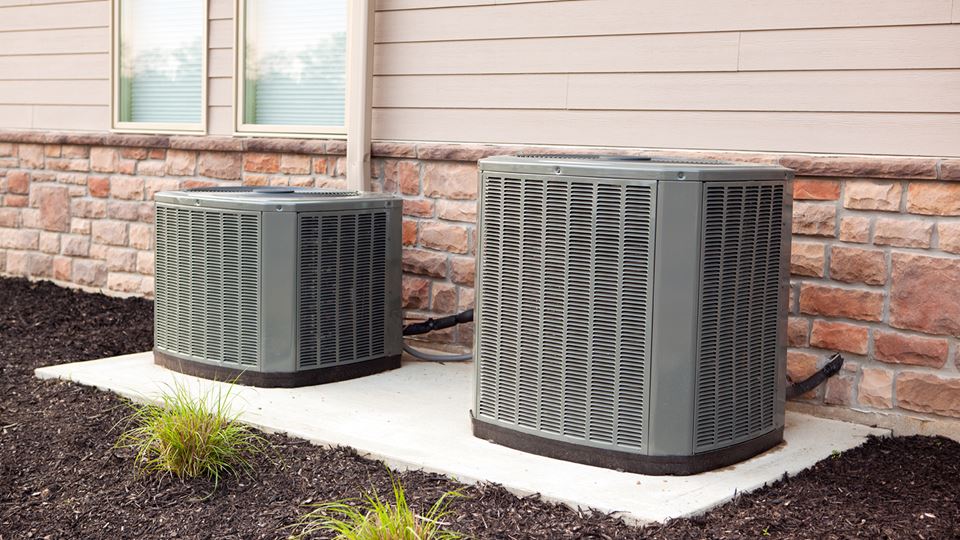
- Increase The Amount Of Airflow Around Your Air Condenser: Plants and anything else that may hinder airflow should be kept at least 2 feet away from your air conditioner. For best efficiency, maximize airflow results. If you keep facing any problems with the airflow, look for an AC service.
- Make Sure You’ve Updated On The Latest Filter Modifications: Optimum airflow, once again, equates to maximum efficiency. A clogged filter not only lowers indoor air quality but also reduces airflow, making your air conditioner work harder. If it causes a problem, then look for air conditioning repair.
- Do Not Use Registers To Control The Temperature: The cooling load your air conditioner is supposed to cool gets tampered with when you open and close registers. This can harm your system and diminish your home’s comfort.
- Fix leaks In Your Attic, Under Doors, And Around Windows, Among Other Places: Air leaks are a major source of inefficiency. Your cold air will leak outside, causing your air conditioner to run for longer than necessary, increasing your utility bills. If the bill rises, look for air conditioning repair.
- Make Sure Your Drain Line Is Clear: The indoor cooling coil, usually located above the furnace in the basement, has a drain. Throughout the summer, flush one cup of chlorine bleach down your air conditioning drain and then rinse it with a gallon of water to keep it clear. Keeping your drain line clean might help keep your basement from flooding if it becomes clogged. If this does not help, look for an AC service by a pro.
- In The Heat Of The Day, Close The Drapes And Blinds: Closing off your curtains or blinds when the sun shines directly on your windows will keep some of the heat out of your home.
Looking for AC service or AC Conditioning Repair Services? Call us or write to us, send in your queries at (407) 743-7106.