


One of the most common reasons your air conditioner runs constantly is a blocked duct that affects the efficiency of your AC. If this happens, your system will run longer to deliver more air. It could also be related to one of the following issues: a faulty switch, a clogged filter, or a coil. An air conditioning service in Orlando can help identify the cause of the issue and provide effective solutions.
Some Of The Reasons Why Your AC Does Not Shut Off:
1) Faulty Electrical Components
2) Thermostat Errors
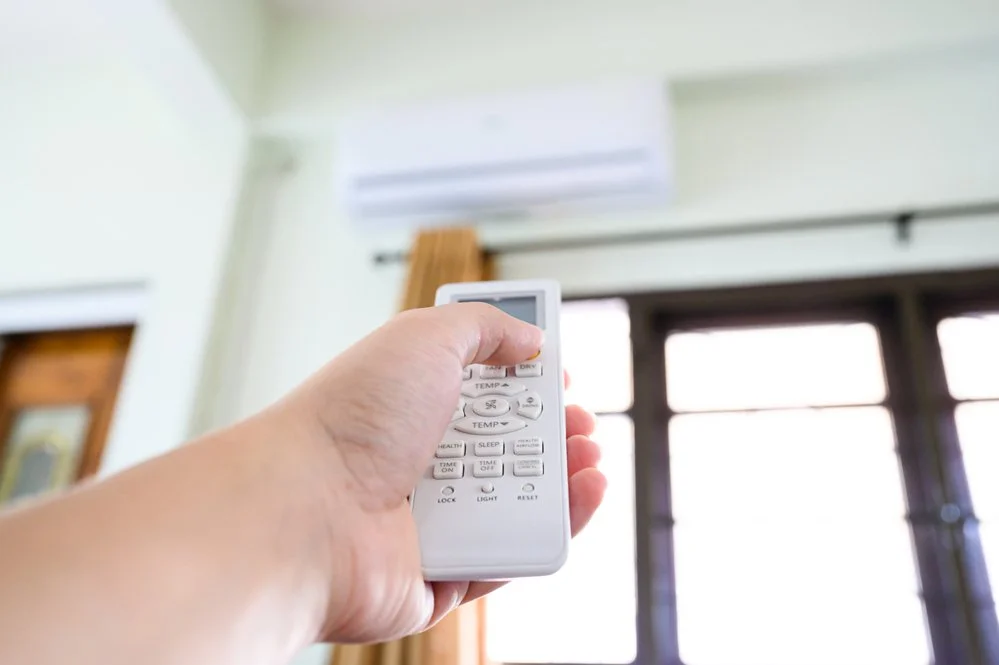
Over the years, an old thermostat might wear out. It can prevent the thermostat from accurately reading the temperature of your room. Also, if your electrical wiring gets damaged, it can affect the communication between your air conditioning unit and thermostat leading to a wrong home temperature recording. Help from an air conditioner service professional could be beneficial.
3) Fan Limit Switch Is Stuck
4) RPM Of Fan Reduces
5) Wrong Size Of The AC
6) Clogged Coils And Condenser
7) Evaporator Coils Are Frozen
A frozen evaporator coil is caused by a buildup of dirt on the surface of the coils restricting airflow and thereby the smooth functioning of the AC. A dirty air filter or a blocked vent can also contribute to this issue. If the drain line and drip pan are not functional, the moisture within the system will accumulate and form a thick layer of ice.
What Can Be Done?
1) Try cleaning the filters and air ducts.
2) Check the thermostat settings and correct them.
3) Clean the condenser coil and evaporator coil.
4) Cleaning the blower fan
But if you find it difficult to do these as the interior of an AC will be confusing, you could always get help from proficient AC installation services in Orlando. They can help you fix the issue promptly and will help you decide on the right size of ac for your room.
AC units are like all other machines that can break down at some point. There are various ways a professional technician can help you. If you have a problem with your AC unit that won’t turn off, call AmeriTech Air Conditioning and Heating at 407-743-7106. We will be able to quickly address your issue and get it back to you in no time.
Your AC may continue running due to a stuck contactor relay in the outdoor unit—the contacts can weld together from overheating, maintaining constant power flow. Shorted wiring can also disrupt communication between your thermostat and system, preventing shutdown signals from transmitting properly. A malfunctioning temperature sensor might incorrectly read room temperatures, keeping your compressor active unnecessarily.
Continuous operation dramatically increases your monthly energy bills while causing excessive wear on critical components like the compressor and fan motor. This constant strain accelerates equipment deterioration, leading to premature breakdowns and expensive replacement needs. Your system loses cooling efficiency over time, and frozen evaporator coils can develop, potentially causing water damage throughout your home.
Start by flipping your circuit breaker off to stop power flow, then inspect the contactor relay for welded contacts requiring replacement. Check if your thermostat triggers a shutdown when removed from the wall, if components stop, replace the thermostat. For stuck contactors, replace this inexpensive part after disconnecting power at the outdoor disconnect switch. Professional diagnosis helps identify control board failures or wiring shorts.
The cost to repair an AC that won't shut off typically ranges from $150-$500 for basic repairs like thermostat replacement or filter changes, while electrical component repairs or refrigerant recharges can cost $500-$1,500. Replacement of major components like the compressor contactor or control board may reach $800-$2,000. However, if your unit is undersized or needs replacement, expect $3,500-$8,000+. Emergency service calls outside business hours incur additional fees. Your best approach is scheduling a professional diagnostic inspection, usually $100-$200, to identify the exact cause before proceeding with repairs.
You can safely perform basic troubleshooting: checking thermostat settings, changing dirty air filters, and cleaning accessible condenser fins. However, most causes require professional expertise. Diagnosing electrical issues, faulty contactors, or refrigerant problems demands specialized tools and licensing. DIY attempts at internal repairs risk voiding warranties, electrical hazards, or system damage. Frozen evaporator coils, damaged control boards, and compressor issues require certified technicians. Schedule a professional inspection if basic fixes don't resolve the issue. Professional diagnostics cost $100-$200 but prevent costly mistakes and ensure warranty compliance while accurately identifying root causes.